Short answer: recycle clean paper, cardboard, metal cans and plastic bottles and jugs. Keep plastic bags, food and anything tangly out of the cart. When you are not sure, check your local program’s list before you toss it in.
Recycling works when the load is clean. One greasy pizza box or a bundle of plastic bags can spoil a whole truck. This guide shows you how to get it right at home in Huntsville, Madison and Madison County.
Why does recycling right matter?
The United States generated 292.4 million tons of municipal solid waste in 2018, or 4.9 pounds per person per day. About 32.1 percent of it was recycled or composted, according to the U.S. EPA. That leaves a lot of room to do better.
The EPA also names the main obstacle: “Many people are confused about what items can be recycled, where they can be recycled and how.” The result is recyclables in the trash and trash in the recycling (EPA, Recycling Basics and Benefits).
Getting it right saves energy too. The EPA notes that recycling just 10 plastic bottles saves enough energy to power a laptop for more than 25 hours.
What can I put in my recycling cart?
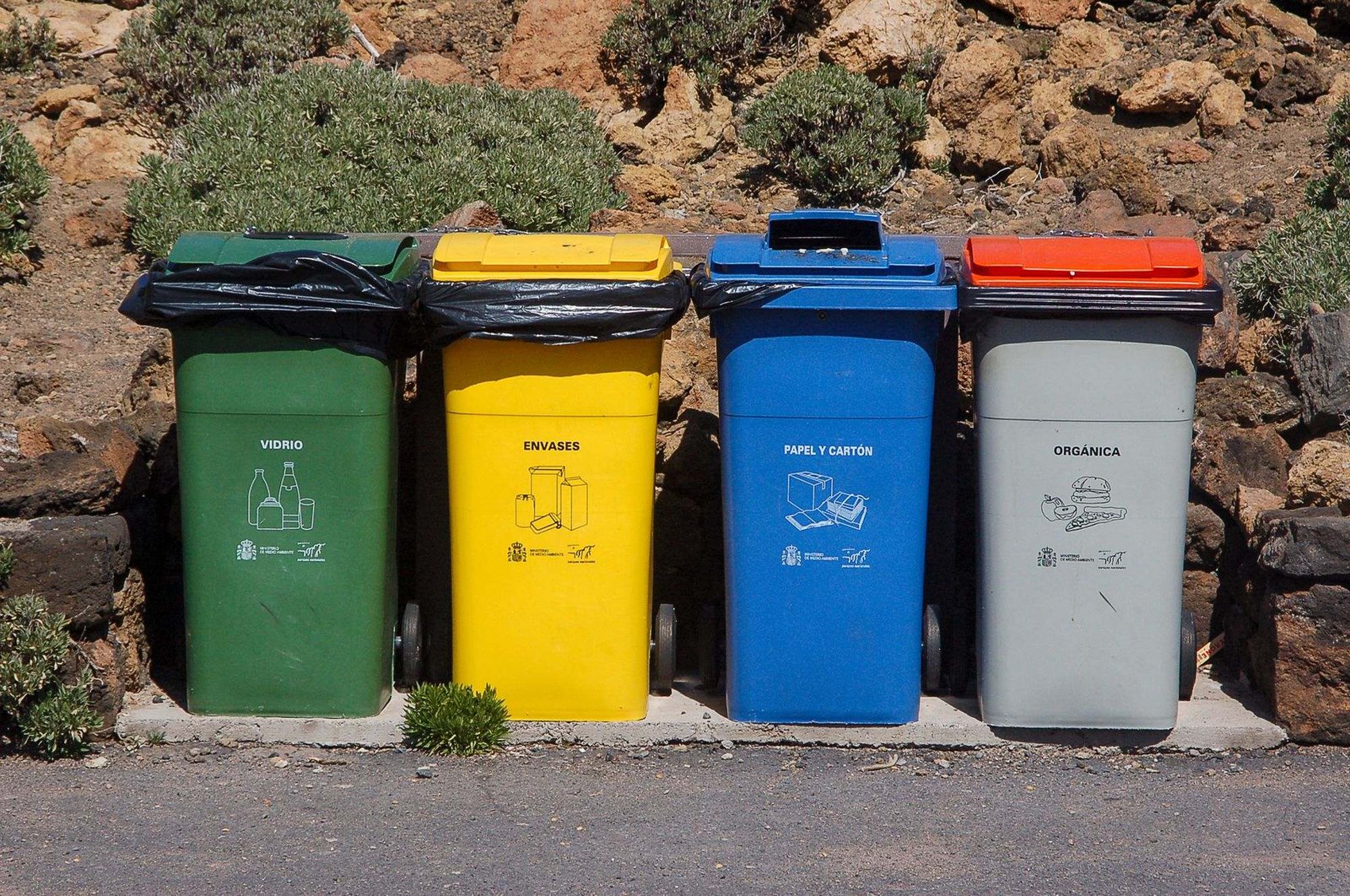
Most curbside programs accept the same core items. Use this as a starting point, then confirm with your local program.
| Usually accepted | How to prepare it |
|---|---|
| Cardboard boxes | Flatten them. Remove foam and plastic packing. |
| Paper, mail, magazines, newspaper | Keep it dry. No need to remove staples. |
| Metal food and drink cans | Empty and give a quick rinse. |
| Plastic bottles and jugs | Empty. Caps and labels can usually stay on. |
[VERIFY: confirm the accepted-items list, including glass, with the Huntsville and Madison County curbside recycling program.]
What should stay out of the cart?
- Plastic bags, wraps and films. The EPA is clear that these “cannot go in your household recycling bin.” Many grocery and retail stores collect them instead (EPA, How Do I Recycle Common Recyclables).
- Bagged recyclables. Put items in the cart loose, never tied up in a bag.
- Food and liquids. Leftovers ruin paper and cardboard.
- Tanglers. Hoses, cords, chains and string lights wrap around sorting machines.
- Batteries, electronics and chemicals. These need special drop-off. [VERIFY: local household hazardous waste and electronics drop-off location, days and hours.]
How clean does it need to be?
Not spotless. The EPA’s rule of thumb is simple: rinse or scrape off the residue, and remember that “spatula-clean” is clean enough to recycle. Empty it, give it a quick rinse if needed, and let it dry.
What local details should I check?
Programs differ from one city or county to the next, and they change over time. Before you rely on any list, confirm these points for your address:
- Who runs curbside recycling where you live? [VERIFY: provider name and contact]
- Do you need to sign up for a cart? [VERIFY]
- Which day is pickup, and is it weekly or every other week? [VERIFY]
- Is glass accepted at the curb or only at a drop-off site? [VERIFY]
- Where is the nearest recycling drop-off center? [VERIFY: address and hours]
A 30-second recycling checklist
- Is it paper, cardboard, a metal can, or a plastic bottle or jug?
- Is it empty and reasonably clean?
- Is it loose, not in a plastic bag?
Three yeses? It goes in the cart. Any doubt? Look it up, or leave it out.
Want to learn more?
Recycling right keeps plastic out of creeks, rivers and the ocean. That is the heart of our Ocean Water Cleanup & Marine Protection program. Contact us if your school, neighborhood or workplace would like a session on recycling and reducing plastic.