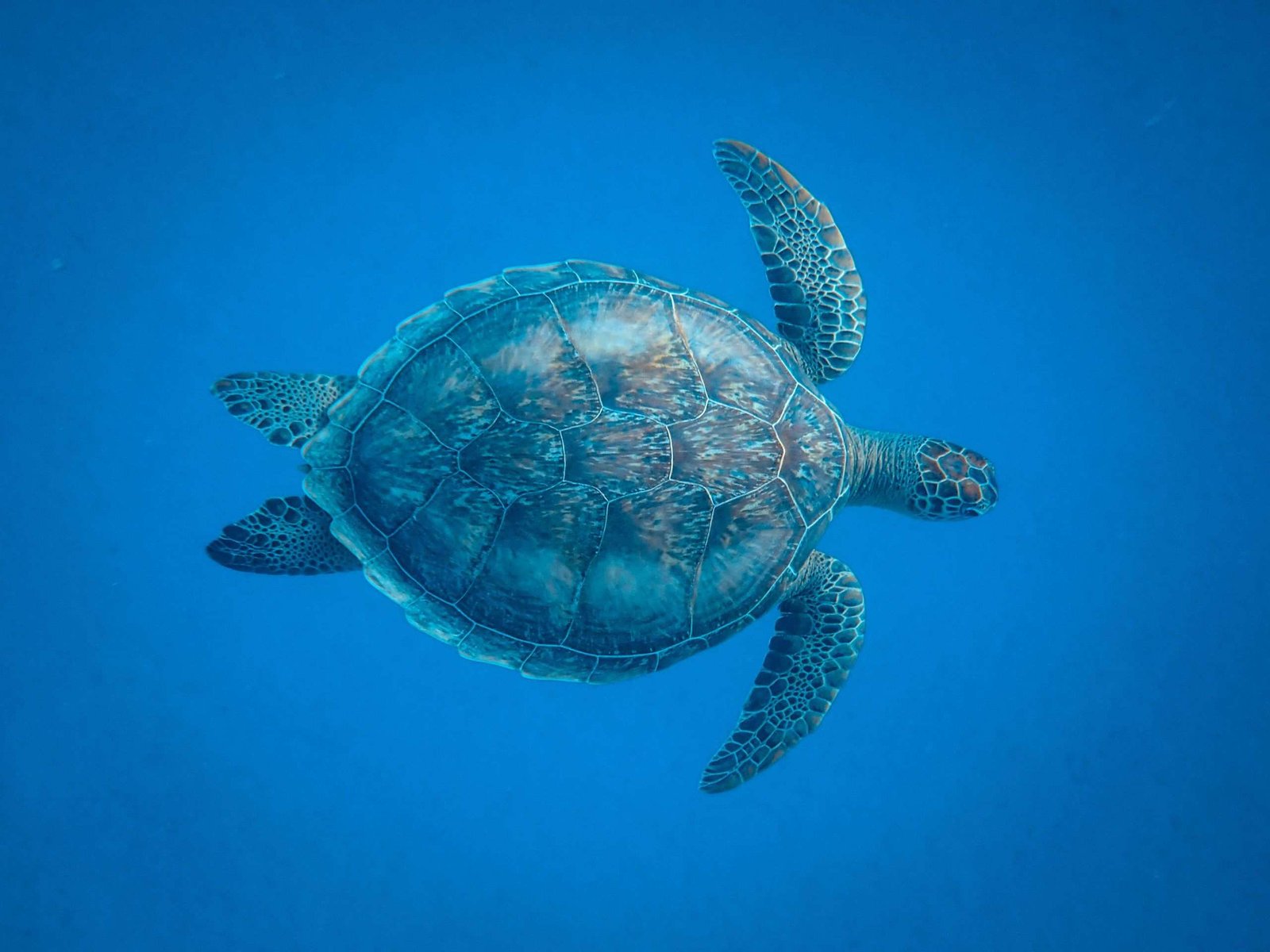
Short answer: yes. Fish, shellfish and even whales have been found with plastic inside them. Some of that plastic is in the seafood people eat. Scientists are still studying what it means for human health, which is why keeping plastic out of the ocean matters now.
How does plastic end up in the ocean?
Most of it starts on land. The U.S. EPA says that “most of the garbage that ends up in waterways comes from land-based activities,” carried by rain and wind into storm drains, streams and rivers (EPA, Learn About Aquatic Trash).
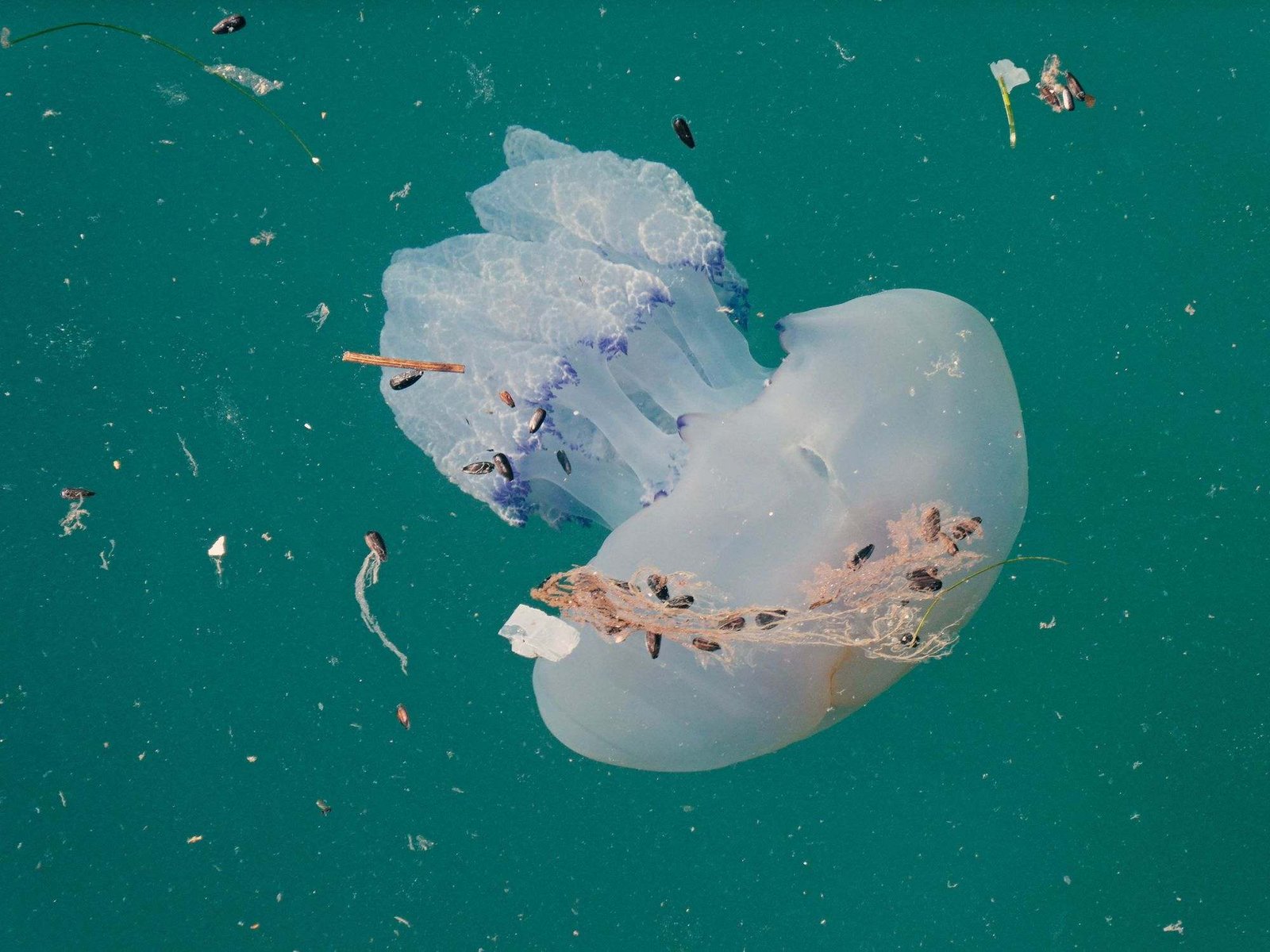
Once it is in the sea, plastic does not disappear. Sun and waves break it into smaller and smaller pieces. Pieces less than five millimeters long, about the size of a pencil eraser, are called microplastics (NOAA, What Are Microplastics?).
Do fish really eat plastic?
They do. NOAA’s Marine Debris Program reports that “zooplankton, fish, mussels, and even whales have been found to eat microplastics” (NOAA, Microplastics).
It happens in two ways, NOAA explains (NOAA, Ingestion):
- By mistake. Debris “may be mistaken for food and ingested,” or swallowed by accident when it is mixed in with an animal’s natural food.
- Through the food chain. Animals that hunt also take in “any debris inside of their prey.” A small fish eats plastic. A bigger fish eats the small fish.
This is not rare. The EPA notes that more than 1,500 species in marine and land environments are known to ingest plastics (EPA, Impacts of Plastic Pollution).
Does it harm the fish?
NOAA is direct about this: “We know that ingested plastic is harmful to animals,” and research is still under way to work out all the effects.
Is plastic in fish harmful to people?
This is the honest answer: scientists do not fully know yet.
What is known, according to the EPA: microplastics have been found in human livers, kidneys and placentas. What is not yet known: exactly how that affects health. The EPA states that “more research is needed to better understand the potential human health impact of microplastics.”
NOAA makes the same point about microplastics in general. It is “an emerging field of study,” and “not a lot is known about microplastics and their impacts yet.”
So nobody should panic about eating fish. But nobody should be comfortable with plastic in the food chain either. The sensible response is to stop adding to it and start taking it out.
What is being done to take plastic out?
Two things have to happen together.
| Stop it at the source | Remove what is already there |
|---|---|
| Use less single-use plastic | Shoreline and river cleanups |
| Recycle correctly | Cleanup technology that collects plastic from the water |
| Keep litter out of storm drains | Measuring and reporting what is removed |
At Stand Strong Forever, our Ocean Water Cleanup & Marine Protection program works on both. Volunteers clean rivers, creeks and beaches. And we are developing eco-friendly robotic whales and sharks, the Eco Whale and the Eco Shark, to collect plastic from ocean water before fish can eat it.
What can I do today?
- Carry a refillable bottle and a reusable bag.
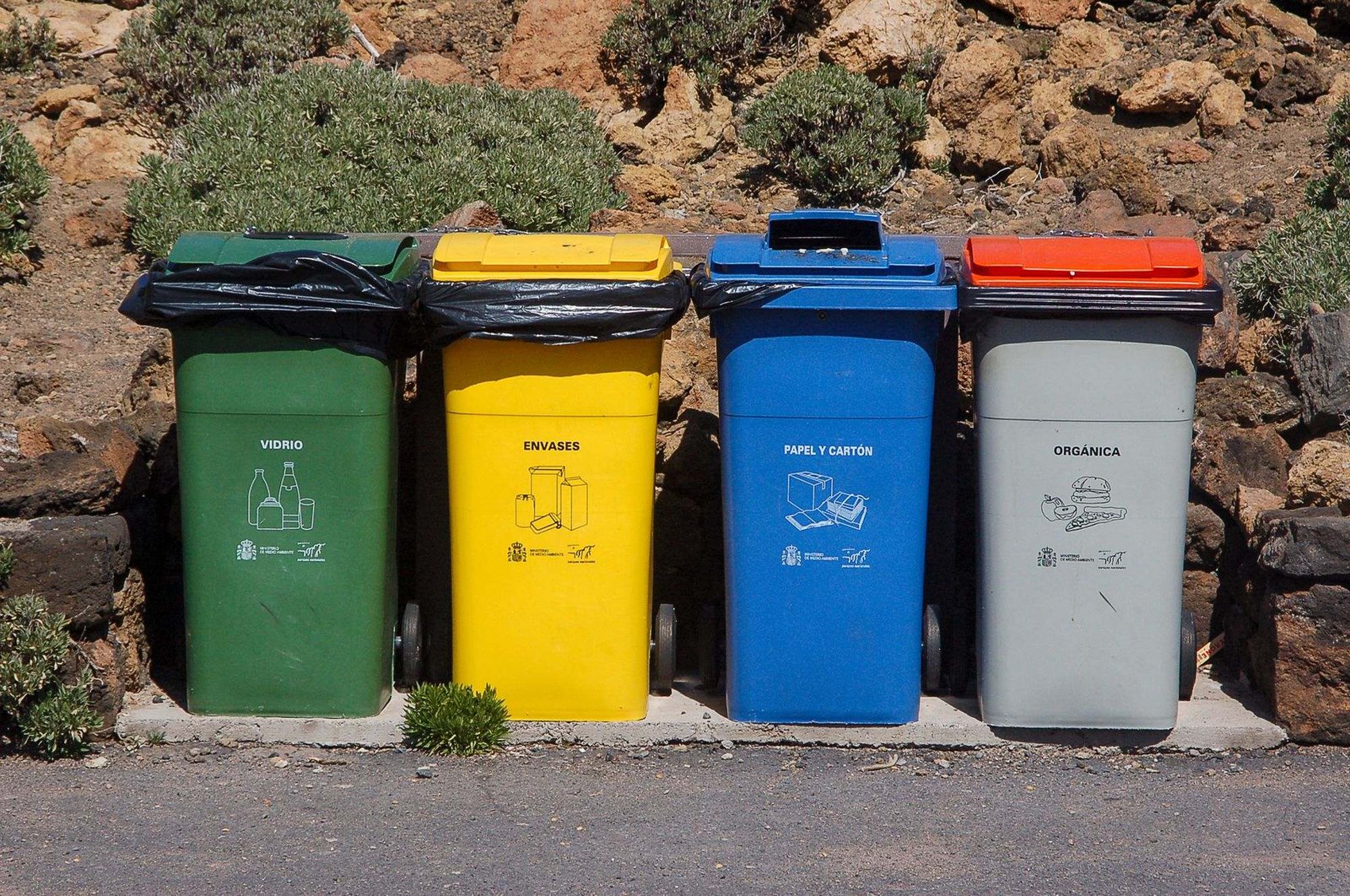
- Never drop anything near a storm drain. It leads straight to the nearest creek.
- Recycle right. See our guide to recycling in Huntsville and Madison County.
- Join a cleanup. Check the events calendar or sign up to volunteer.
- Fund the technology. Choose Ocean Water Cleanup & Marine Protection when you donate.
Sources
- NOAA Ocean Service, What Are Microplastics?
- NOAA Marine Debris Program, Microplastics
- NOAA Marine Debris Program, Ingestion
- U.S. EPA, Impacts of Plastic Pollution
- U.S. EPA, Learn About Aquatic Trash