Short answer: litter dropped in North Alabama is washed by rain into storm drains and creeks, then into the Tennessee River. The Tennessee flows into the Ohio River, the Ohio into the Mississippi, and the Mississippi into the Gulf. A bottle dropped in Huntsville can end up in the ocean.
Huntsville is a long way from the beach. So why does a Huntsville nonprofit care about ocean plastic? Because our rivers are the road it travels.
Where does litter go when it rains?
It starts on the ground. The U.S. EPA explains that when garbage is littered instead of placed in a bin, “rain and wind often carries it into storm drains, streams, canals, and rivers” (EPA, Learn About Aquatic Trash).
Storm drains are the key. The EPA gives the example of a cigarette butt that washes into a storm drain and travels through the stormwater system, “which in some cases, leads directly into waterways.” What goes down the drain on your street can come out in the nearest creek.
The EPA’s summary is blunt: “Most of the garbage that ends up in waterways comes from land-based activities.”
What is the route from Huntsville to the Gulf?
Follow one plastic bottle.
- Your street. The bottle is dropped, or blows out of an open bin.
- Storm drains and creeks. Rain pushes it into a storm drain and out into a local creek.
- The Tennessee River. Creeks around Huntsville and Madison County drain to the Tennessee River.
- The Ohio River. The Tennessee flows north and west to meet the Ohio. The Tennessee Valley Authority places Kentucky Dam “22 miles upstream from the confluence of the Tennessee River with Ohio” (TVA, Kentucky).
- The Mississippi River. The Ohio is one of the major tributaries that join the Mississippi on its way south (EPA, Mississippi/Atchafalaya River Basin).
- The Gulf. The Mississippi carries water from parts or all of 31 states to the Gulf.
That is how a bottle from North Alabama becomes part of a much bigger problem.
How much plastic ends up in the ocean?
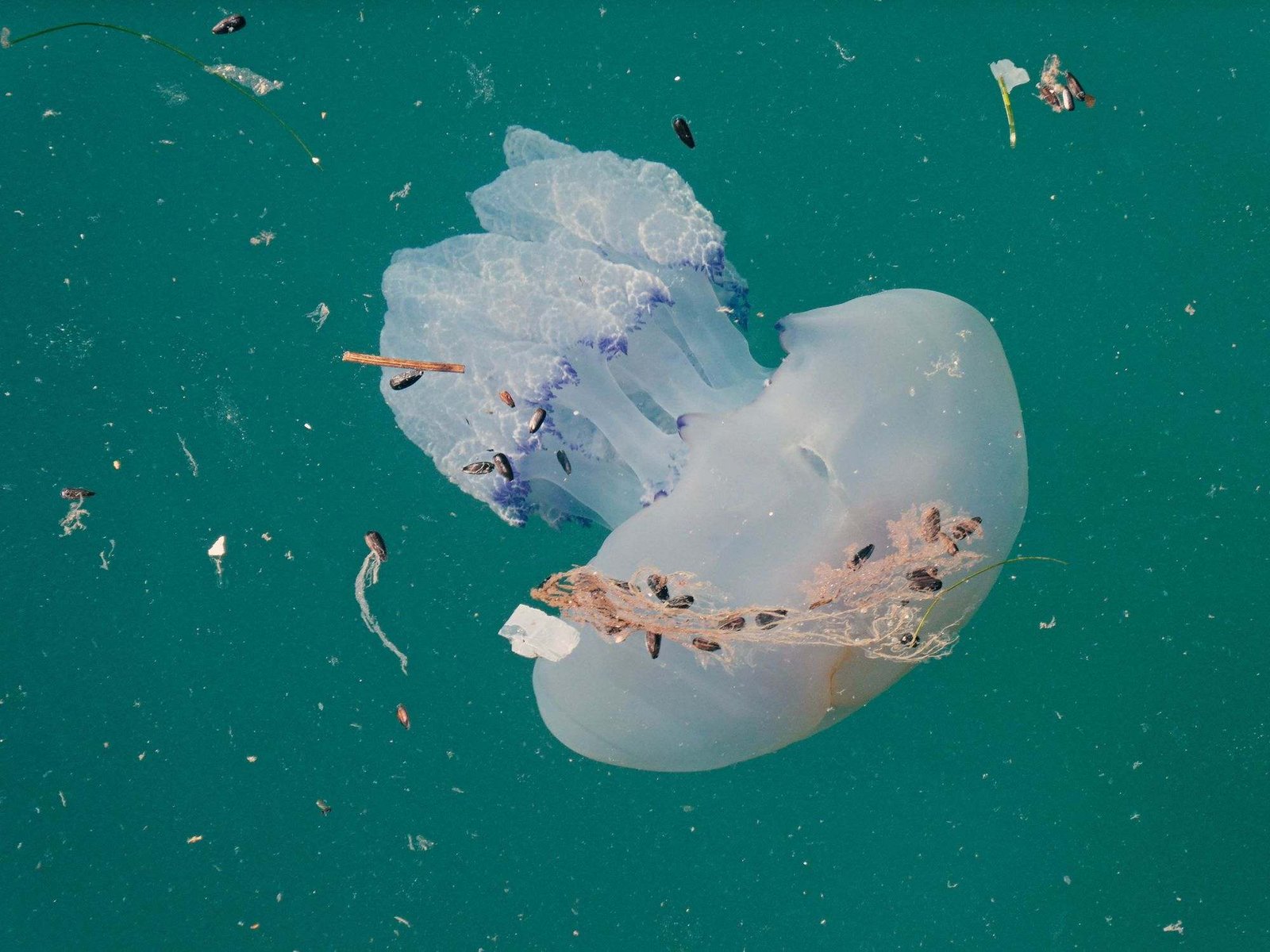
Nobody can count it exactly. NOAA says that scientists think about 8 million metric tons of plastic entered the ocean in 2010, and that streams and storm drains “can carry debris directly into the ocean or Great Lakes” (NOAA, A Guide to Plastic in the Ocean).
What can I do about it here?
The EPA’s advice starts at home: “The most effective way to prevent trash from polluting our waterways is to reduce the amount of waste you create” (EPA, What You Can Do About Trash Pollution).
Five things that work:
- Use less single-use plastic. A refillable bottle and a reusable bag go a long way.
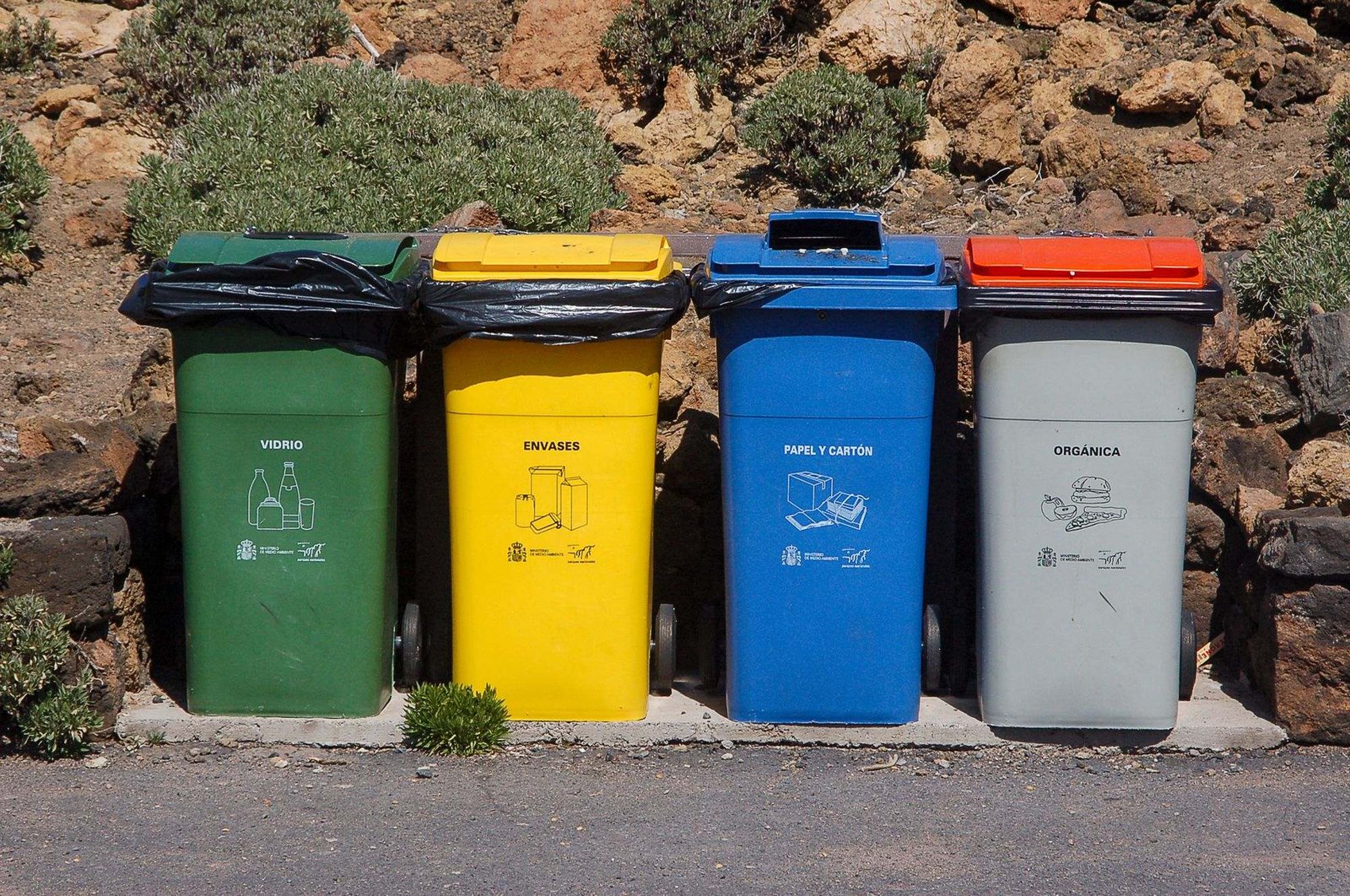
- Keep lids on bins. Wind empties open cans onto the street.
- Never put anything down a storm drain. It is a direct line to the creek.
- Pick up what you pass. One piece a day is 365 pieces a year.
- Join a cleanup. The EPA lists organizing and taking part in local waterway cleanups as a way to act in your own community.
Join us on the riverbank
Every bag we fill in North Alabama is trash that never reaches the sea. See how our Ocean Water Cleanup & Marine Protection program works, check the events calendar, or sign up to volunteer.
Sources
- U.S. EPA, Learn About Aquatic Trash
- U.S. EPA, What You Can Do About Trash Pollution
- U.S. EPA, The Mississippi/Atchafalaya River Basin
- NOAA Ocean Service, A Guide to Plastic in the Ocean
- Tennessee Valley Authority, Kentucky