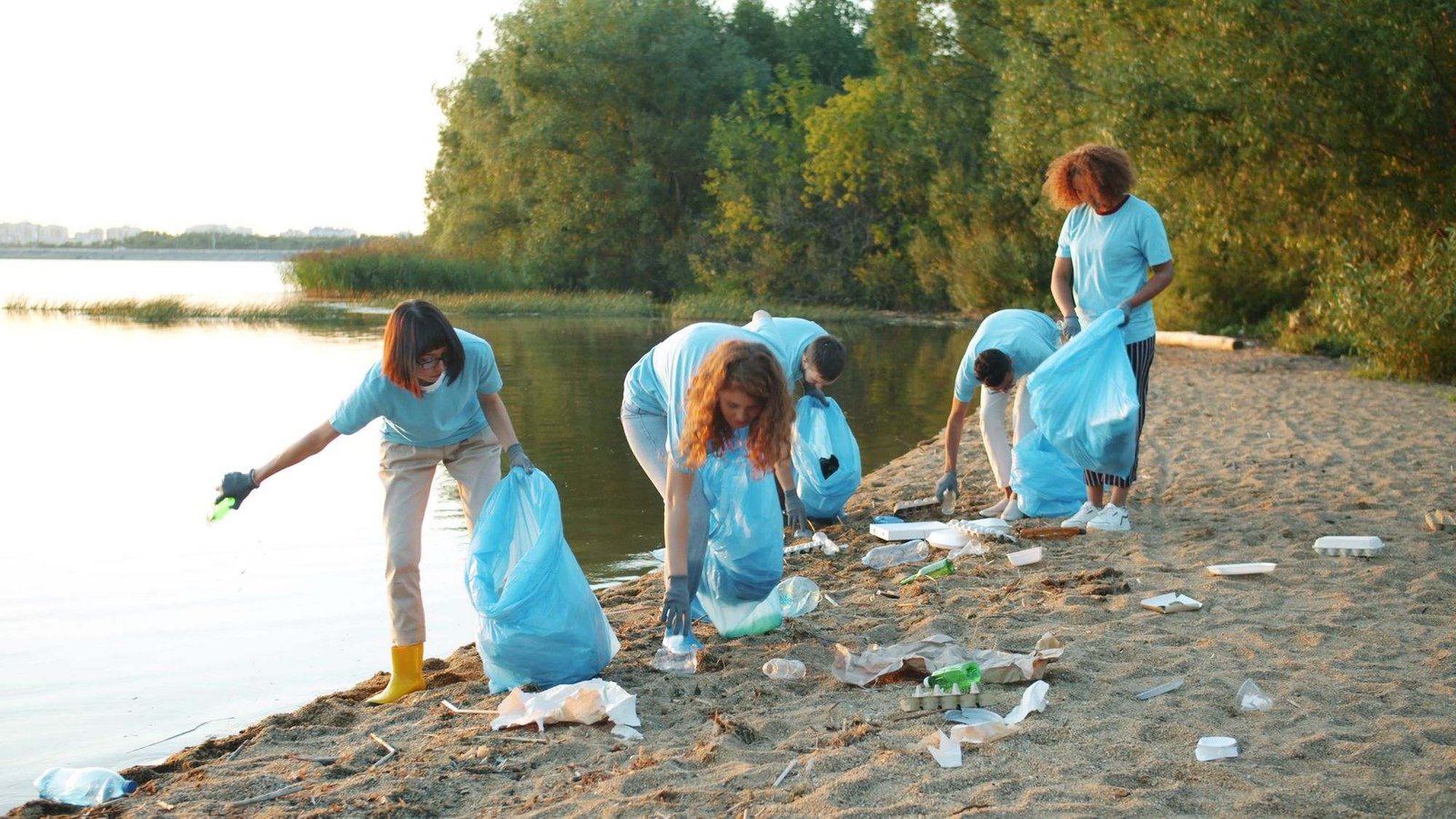
Community River Cleanup
A morning on the water's edge with gloves, grabbers and good company. Supplies provided. All ages welcome.
Program
Stand Strong Forever is developing eco-friendly robotic whales and sharks, the Eco Whale and the Eco Shark, to collect plastic waste and other pollutants from ocean water. The aim is to reduce ocean pollution, protect marine life and help keep plastic out of the seafood we eat. Volunteers also clean rivers, creeks and beaches so less trash reaches the sea.
Our mission
Stand Strong Forever is committed to protecting our oceans through innovative technology and sustainable solutions, including the development of eco-friendly robotic whales and sharks designed to collect plastic waste and other pollutants from our waters.
Our mission is to reduce ocean pollution, protect marine life, and help prevent plastic contamination from entering the seafood we eat.
By combining technology, environmental education, and global collaboration, we strive to create cleaner oceans, healthier marine ecosystems, and a safer future for generations to come.
Why it matters
Plastic does not go away. It breaks into smaller and smaller pieces, and sea animals mistake those pieces for food. Fish eat the plastic. People eat the fish. Scientists are still working out what that means for human health, and that uncertainty is exactly why we want the plastic out of the water.
Zooplankton, fish, mussels, and even whales have been found to eat microplastics.
More than 1,500 species in marine and land environments are known to ingest plastics.
Microplastics have been found in human livers, kidneys and placentas. More research is needed to understand the effect on human health.
Our technology
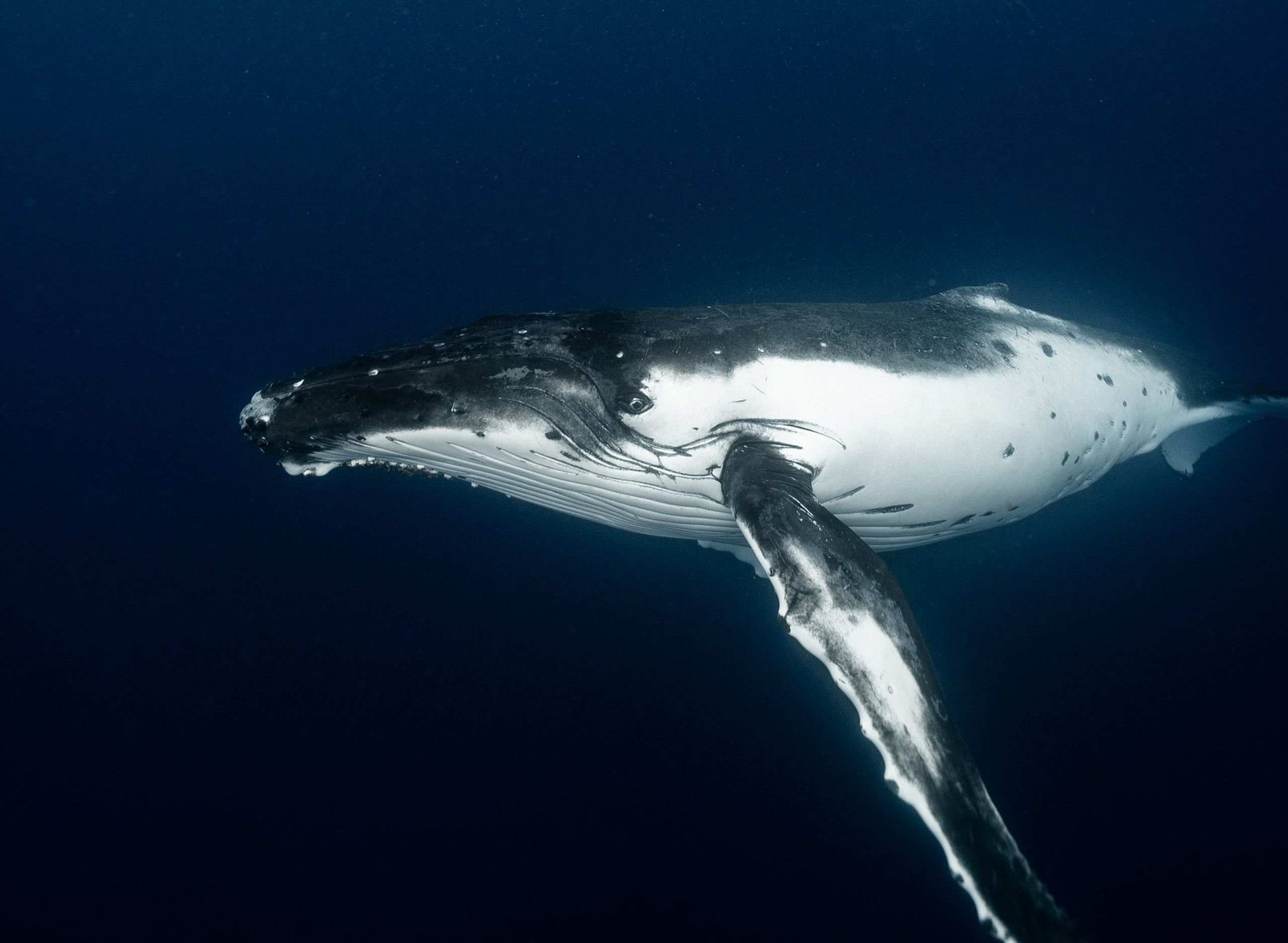
They are eco-friendly robotic machines that Stand Strong Forever is developing. Each one is designed to collect plastic waste and other pollutants from the water, so it never reaches the fish. They are shaped after two of the ocean's great animals, because the ocean is who they work for.
An eco-friendly robotic whale designed to collect plastic waste and other pollutants from ocean water. [ECO WHALE: how it works, size, where it will operate, current stage, photo or drawing]
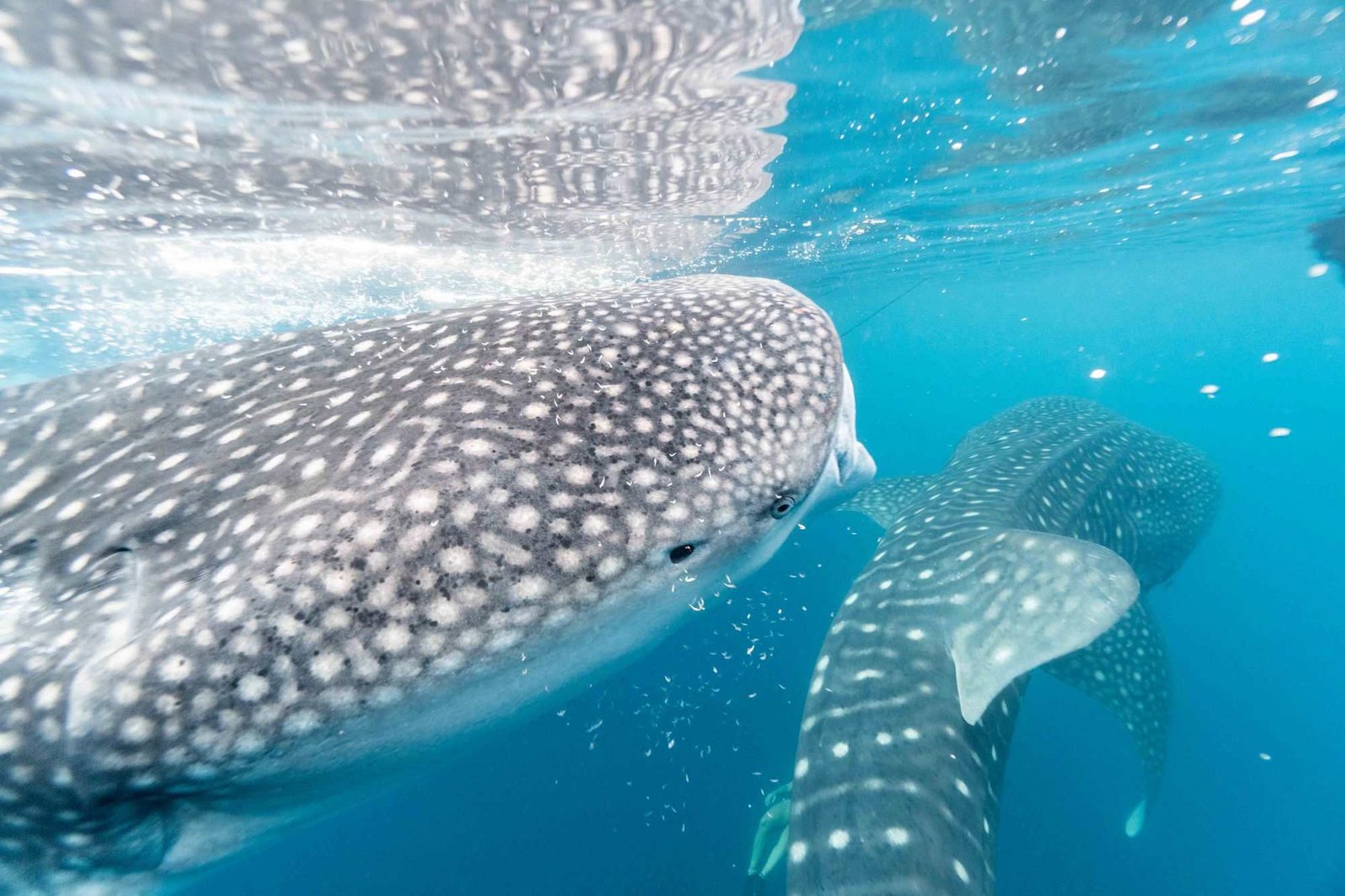
An eco-friendly robotic shark designed to seek out and collect plastic in the water. [ECO SHARK: how it works, size, where it will operate, current stage, photo or drawing]
What we do
Developing the Eco Whale and the Eco Shark, eco-friendly robotic machines made to collect plastic and other pollutants from ocean water.
Removing plastic before fish, turtles and whales can mistake it for food, and before it reaches our seafood.
Teaching simple ways to recycle right and use less single-use plastic, in schools and communities.
Working with partners who share the goal of cleaner oceans. [OCEAN: name partners and collaborations]
Volunteer cleanups in North Alabama and on the Gulf Coast, stopping trash before it reaches the sea.
How it works
We design machines that can find and collect plastic in the water. [OCEAN TECH: confirm who is designing it and the design status]
Each design is built and tested before it goes to work. [OCEAN TECH: prototype status and timeline]
The Eco Whale and the Eco Shark collect plastic from the ocean, so fish do not eat it.
We record what is removed and report it openly.
The team
Team to be announced. The people behind this program will be introduced here. [PROGRAM TEAM: names, roles, short bios and photos]
Who it is for
Impact
We publish measured results only. These figures will appear as the program reports them.
Gallery
Illustrative photos. These are stock images that show the kind of work this program does.[GALLERY: replace with real program photos]
Take part
A morning on the water's edge with gloves, grabbers and good company. Supplies provided. All ages welcome.
Learn more
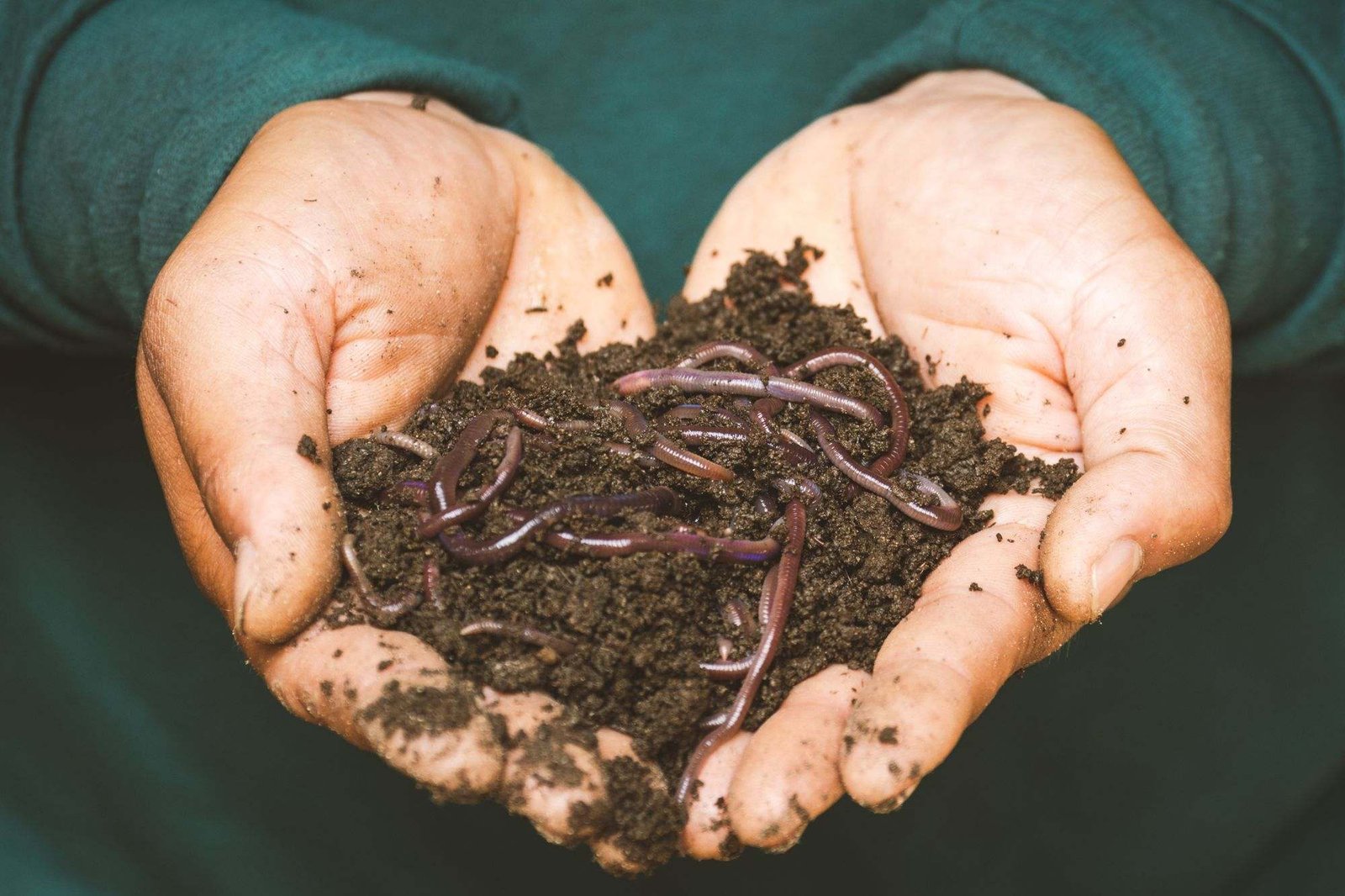
A simple way to turn kitchen scraps and yard waste into rich soil, built for Alabama heat and humidity.
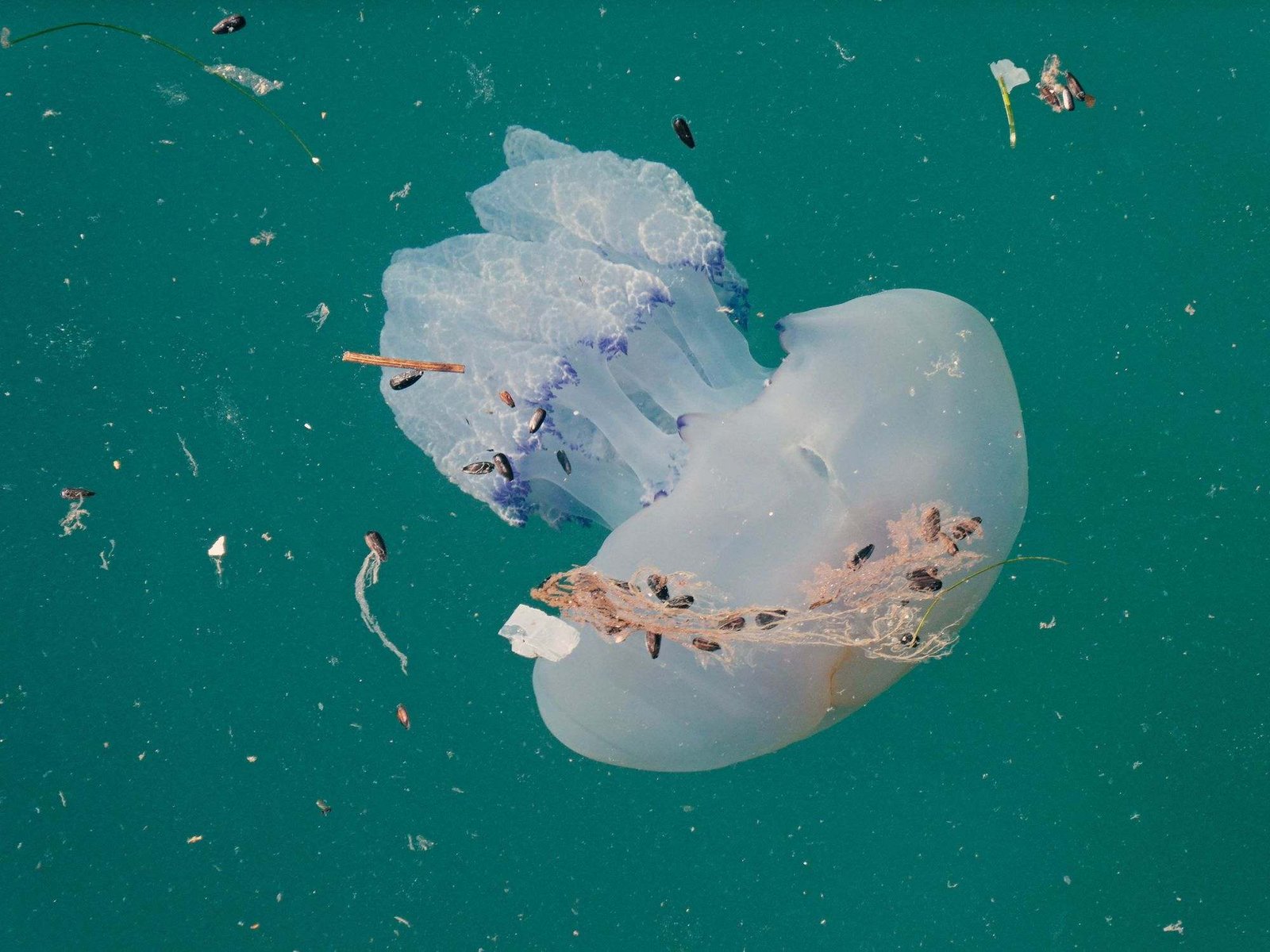
How plastic gets into fish, what scientists know about the risk to people, and what is being done to take it out of the sea.

Follow one plastic bottle from a Huntsville storm drain down the Tennessee River and out to the Gulf.
Questions
They are eco-friendly robotic whales and sharks that Stand Strong Forever is developing to collect plastic waste and other pollutants from ocean water, before fish can eat it. More detail on how each one works will be published here.
[ECO WHALE AND ECO SHARK: current stage. Concept, design, prototype or in operation]
Yes. NOAA reports that zooplankton, fish, mussels and even whales have been found to eat microplastics. Animals mistake plastic for food, or swallow it along with their prey.
Scientists are still studying this. According to the U.S. EPA, microplastics have been found in human organs, and more research is needed to understand the effect on health. We think that is reason enough to keep plastic out of the ocean.
Because our rivers lead to the sea. Litter in North Alabama washes into creeks and the Tennessee River, which flows to the Ohio, the Mississippi and the Gulf. The ocean's problem starts on land, and so does the solution.
Volunteer at a river or beach cleanup, donate to the ocean cleanup fund, or contact us if you are an engineer, a manufacturer or a sponsor who wants to help build the technology.

Ready?
Give a morning, share a skill or fund the work. Every bit moves North Alabama forward.