Short answer: pile up two to three parts dry “browns” (leaves, twigs, shredded cardboard) for every one part “greens” (fruit and vegetable scraps, coffee grounds, grass clippings). Keep it as damp as a wrung-out sponge, turn it now and then, and you will have compost.
Composting is one of the easiest ways to throw away less. It needs no special equipment and it gives you free soil for the garden.
What is composting?
The U.S. EPA describes composting as “the managed, aerobic (oxygen-required) biological decomposition of organic materials by microorganisms.” The end product is compost, which the EPA calls a soil amendment “that can be used to build soil health and provide nutrients to plants” (EPA, Composting at Home).
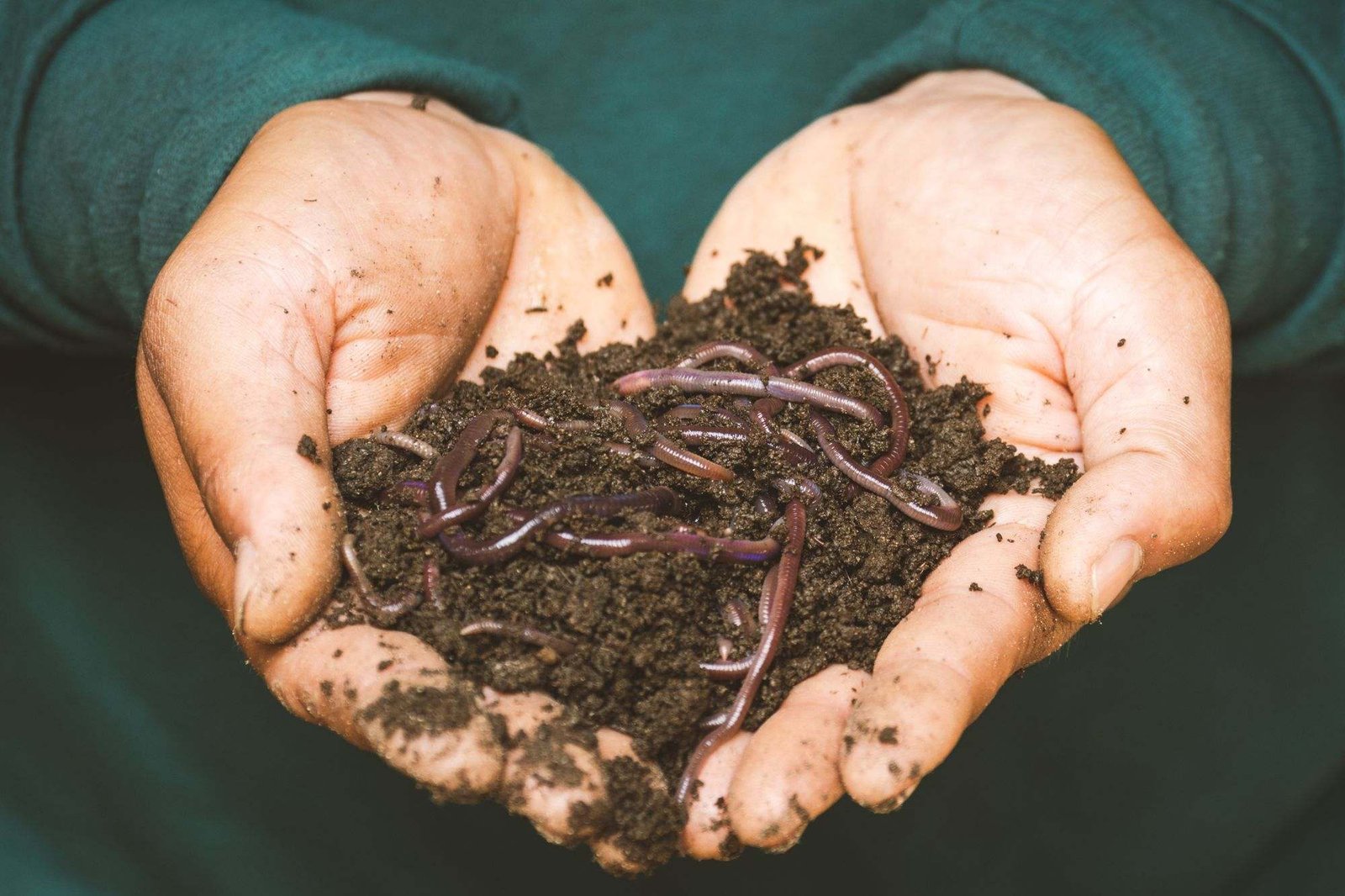
In plain words: tiny organisms eat your scraps and leave behind dark, crumbly soil. Your job is to give them food, air and water.
What can I put in a compost pile?
The EPA sorts ingredients into two groups.
| Greens (nitrogen-rich) | Browns (carbon-rich) |
|---|---|
| Fruit and vegetable scraps | Dry leaves |
| Grass clippings | Plant stalks and twigs |
| Coffee grounds and paper filters | Shredded paper (non-glossy, uncolored) and brown bags |
| Paper tea bags (no staples) | Shredded cardboard (no wax coating, tape or glue) |
| Crushed eggshells | Untreated wood chips |
What should I keep out?
For a backyard pile, the EPA says to avoid:
- Meat, fish and bones
- Cheese and dairy products
- Fats, oils and grease
- Pet waste and cat litter
- Diseased or pest-infested plants, and weeds with seeds
- Treated or painted wood
- Glossy paper and produce stickers
The EPA notes that backyard piles generally do not get hot enough to break some of these down fully. Leaving out meat, dairy and grease also helps keep animals away.
How do I build a compost pile, step by step?
These steps follow the EPA’s backyard method.
- Pick a spot. Choose a place that is easy to reach all year and drains well. The EPA advises keeping it away from fences and near a water source. Sun or shade both work.
- Choose a bin. Wire, wood or cinder blocks all work, and so do enclosed barrels and tumblers.
- Chop it up. Smaller pieces break down faster.
- Start with browns. Lay down a four- to six-inch layer of twigs or wood chips so air can move at the base.
- Layer like lasagna. Alternate greens and browns. Use at least two to three times as much brown material as green, by volume.
- Cover your scraps. Keep food scraps under four to eight inches of dry leaves or other browns.
- Add water and air. The mix should feel like a wrung-out sponge. Turn it with a garden fork from time to time.
A well-kept backyard pile can reach 130 to 160°F, the EPA says, and that heat helps reduce pathogens and weed seeds.
What changes in the Alabama climate?
The method stays the same. You just watch moisture more closely.
- In summer heat, a pile dries out fast. Check it more often and add water if it feels dry.
- In heavy rain, a pile can turn soggy and start to smell. Mix in extra dry browns and turn it.
- In autumn, bag up fallen leaves. They are free browns for the whole year.
For advice specific to your soil and yard, your county’s Cooperative Extension office is a good local source. [VERIFY: link and contact for the Madison County Extension office.]
How do I fix common problems?
| Problem | Likely cause | Fix |
|---|---|---|
| Bad smell | Too wet, or too many greens | Add browns and turn the pile |
| Nothing is happening | Too dry, or too many browns | Add water and greens, then turn |
| Animals or flies | Exposed food scraps | Bury scraps under browns. Skip meat, dairy and grease |
Why it matters to us
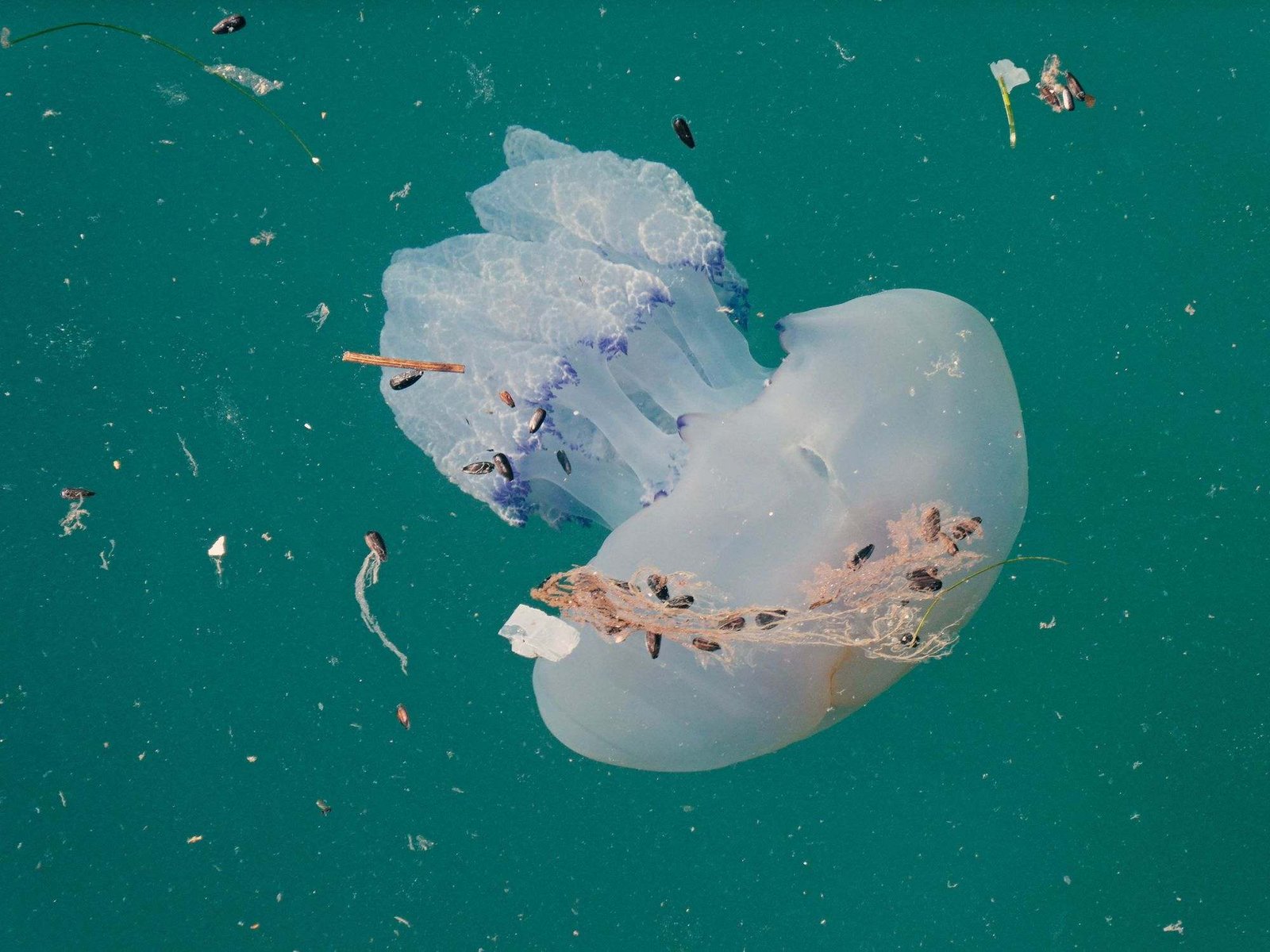
Less waste at home means less litter in our rivers and, in the end, less plastic in the sea. That is the goal of our Ocean Water Cleanup & Marine Protection program. Get in touch if your school or group would like a session on composting and waste reduction.
Sources
- U.S. EPA, Composting at Home