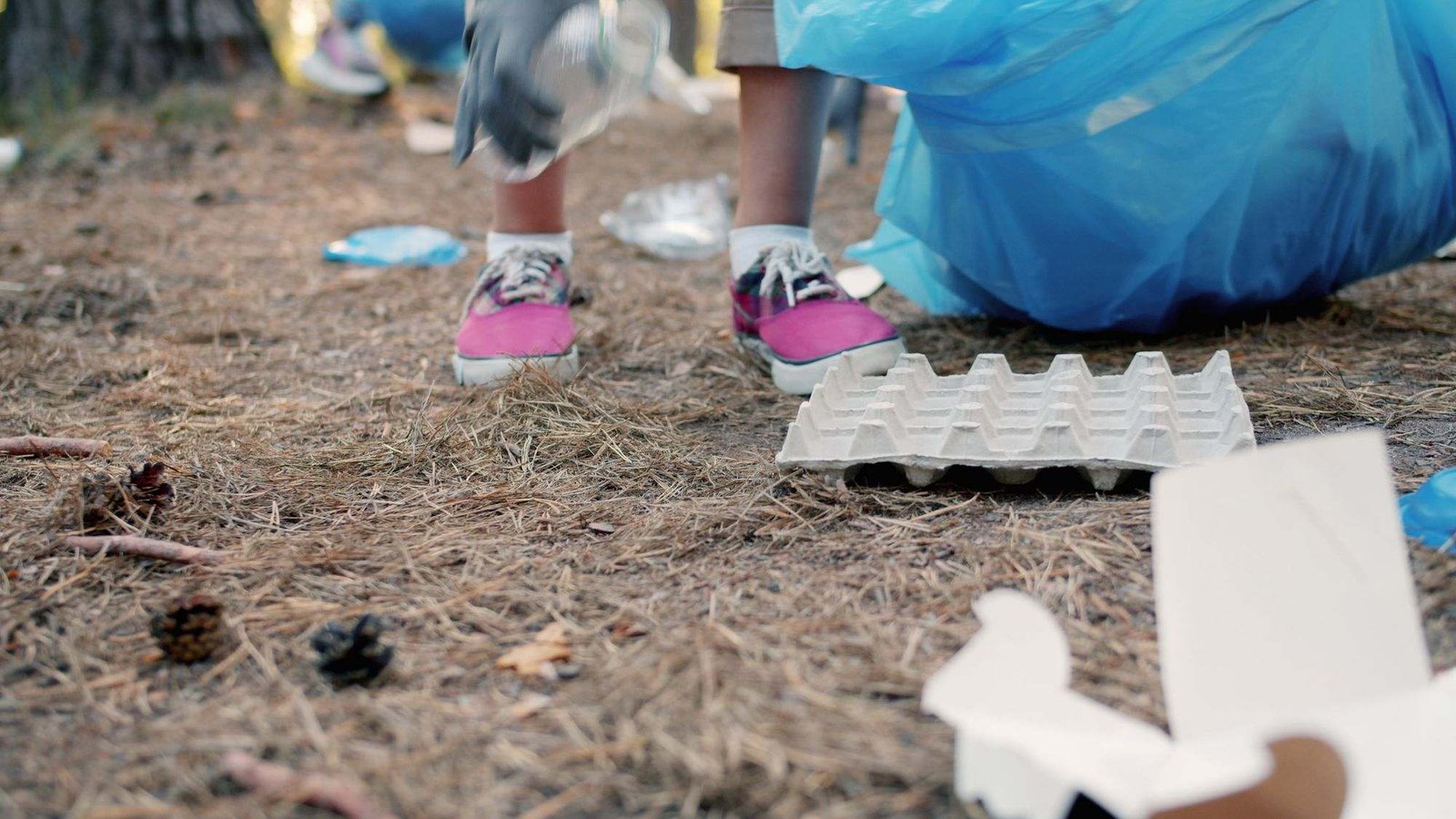
Short answer: choose a spot and get permission, set a two-hour window, invite five or more neighbors, bring gloves, grabbers and bags, give a short safety talk, sort recyclables from trash and arrange how it will be hauled away.
You do not need a big group or a budget. A handful of neighbors and one morning can change how a street, a park or a creek bank looks.
Why organize a cleanup?
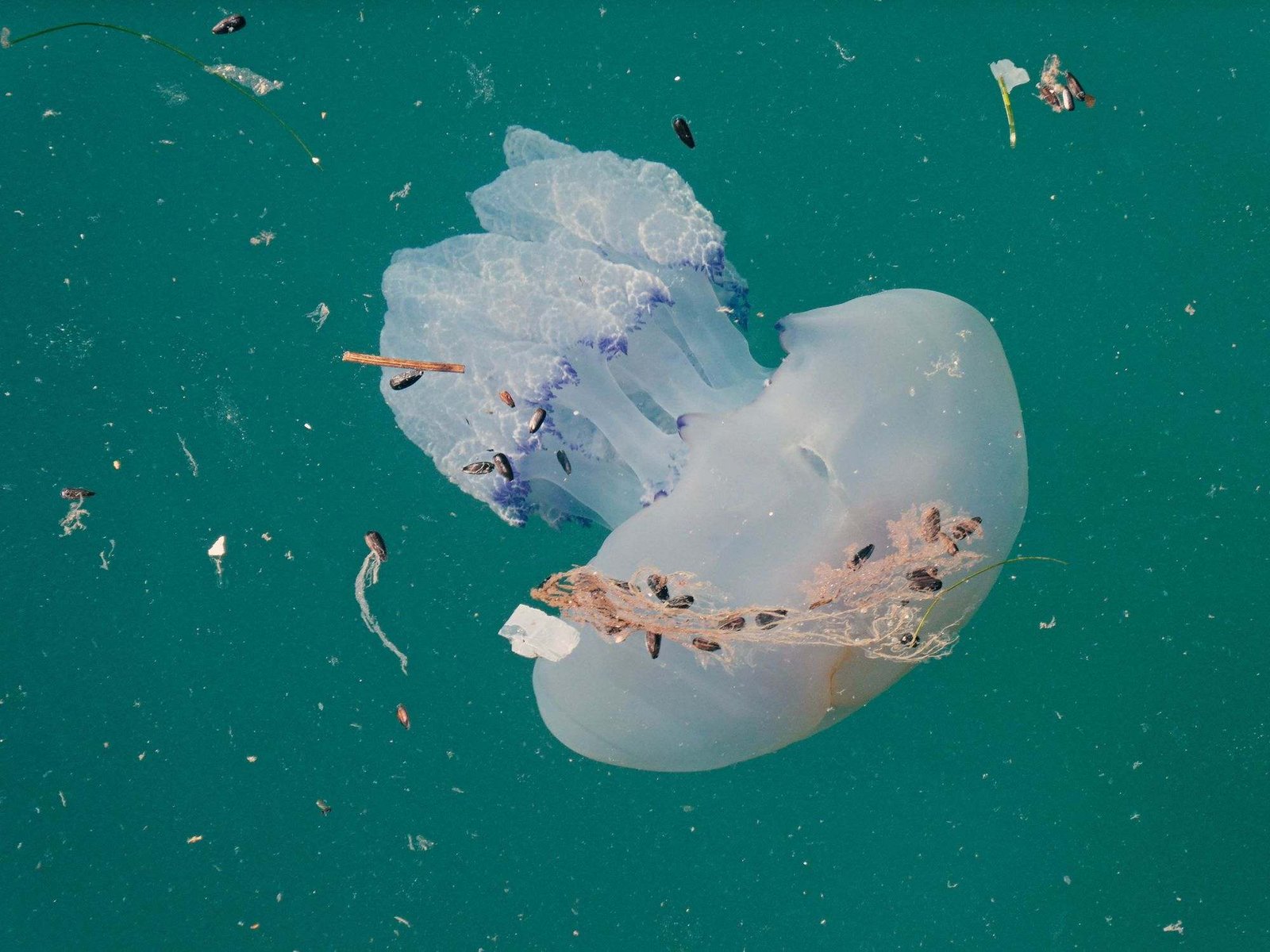
Litter does not stay put. The U.S. EPA explains that rain and wind often carry littered garbage “into storm drains, streams, canals, and rivers,” and that “most of the garbage that ends up in waterways comes from land-based activities” (EPA, Learn About Aquatic Trash).
That is why the EPA lists organizing and joining local waterway cleanups as a direct way to help (EPA, What You Can Do About Trash Pollution).
Step 1: How do I choose a location?
Pick somewhere visible and safe to walk: a block, a park edge, a school yard or a creek bank.
- Find out who owns it. Public park, private lot or roadside right-of-way?
- Ask permission. Contact the owner or the agency that manages it.
- Walk it first. Note steep banks, traffic, poison ivy and anything hazardous.
Step 2: When should it happen?
Two hours on a weekend morning suits most people. Avoid the hottest part of the day in summer, and set a backup date for bad weather.
Step 3: How do I get people to come?
Start small. Five people can fill a lot of bags.
- Knock on doors and post in your neighborhood group.
- Invite a school club, a scout troop, a faith group or coworkers.
- Give people a clear time, a meeting point and what to wear.
Step 4: What supplies do I need?
| Supply | Why |
|---|---|
| Work gloves | Protect hands from sharp edges |
| Litter grabbers | Save backs and keep hands off the trash |
| Heavy trash bags, in two colors | One color for trash, one for recyclables |
| Buckets | Easier than bags for glass and small items |
| Drinking water and sunscreen | Keep everyone going |
| First-aid kit | For cuts and scrapes |
| Bright vests | Needed near roads |
[VERIFY: whether the City of Huntsville or Madison County lends cleanup supplies or offers bag pickup for volunteer groups, and how to request it.]
Step 5: How do I keep everyone safe?
Give a two-minute talk before anyone starts.
- Wear closed-toe shoes and gloves at all times.
- Do not pick up needles, broken glass by hand, chemical containers, or anything you cannot identify. Mark the spot and tell the organizer.
- Stay out of the water and off steep or slippery banks.
- Face oncoming traffic and stay well off the road.
- Children work alongside an adult.
- Drink water, take breaks and stop if the weather turns.
Step 6: What do we do with what we collect?
- Sort as you go. Clean bottles and cans in one bag, trash in the other.
- Agree on disposal before the day. Ask the landowner or local agency where full bags should go. [VERIFY: local disposal options]
- Count it. Number of bags, rough weight and the strangest find. People love to see the result.
Step 7: What happens after?
- Thank everyone, by name if you can.
- Share a before-and-after photo.
- Pick the next date while people are still excited.
Printable checklist
- Location chosen and permission given
- Date, time and rain date set
- At least five people confirmed
- Gloves, grabbers, bags, water, first-aid kit
- Safety talk ready
- Disposal plan agreed
- Someone taking photos and counting bags
We can help
Planning your first cleanup? Tell us about it and we can help you plan, or bring your group to one of our events to see how it runs. Learn more about our Ocean Water Cleanup & Marine Protection program.
Sources
- U.S. EPA, Learn About Aquatic Trash
- U.S. EPA, What You Can Do About Trash Pollution